

- About TCB
- Sewing Machines for TCB
- TCB Crews Introduction
- News / Daily
- Shop / Stockists
- Repair & Hem
- Recruit
- Contact


2026/03/05
ミネソタ州でTCBを着用して働く大工さん。
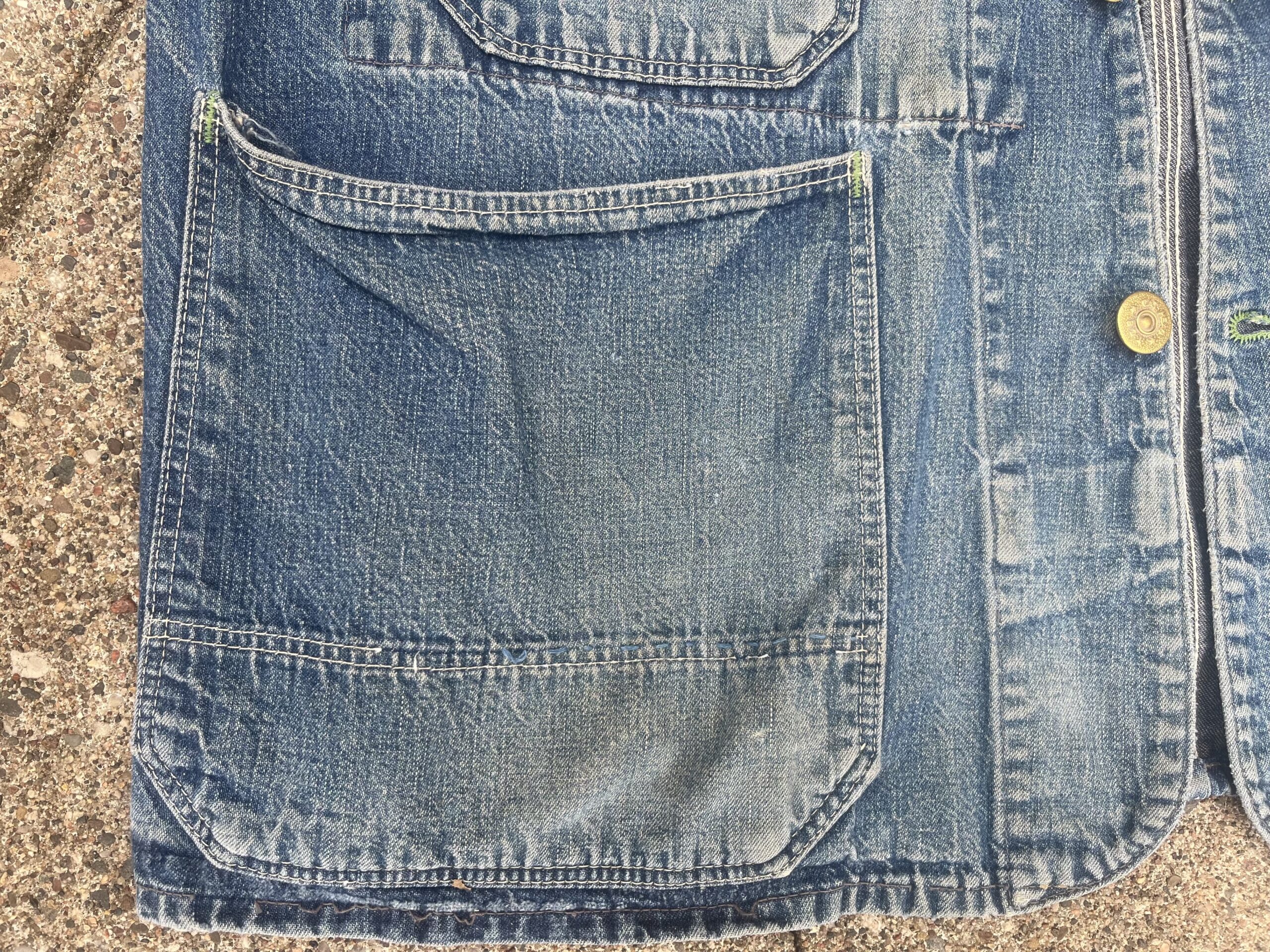
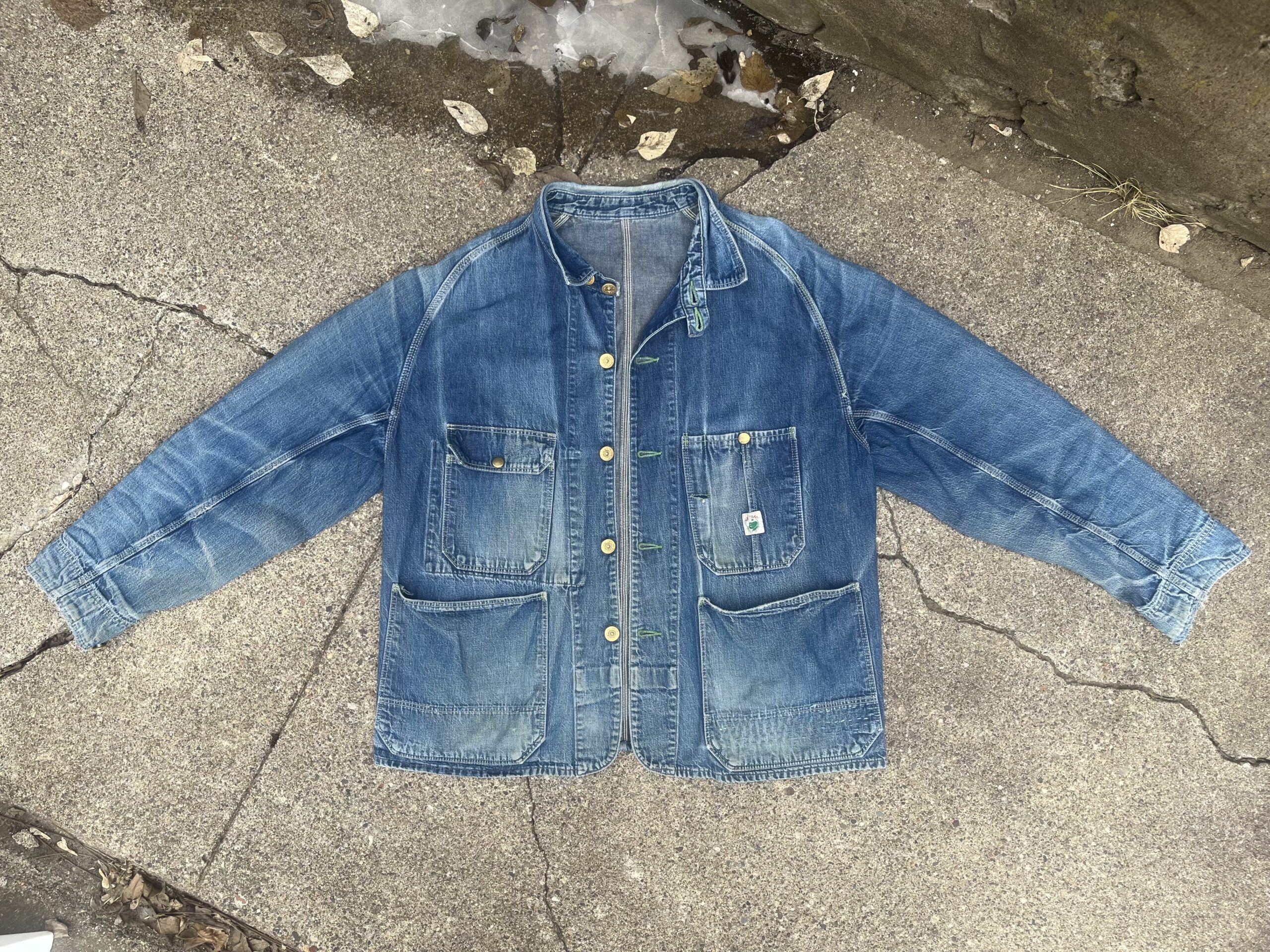
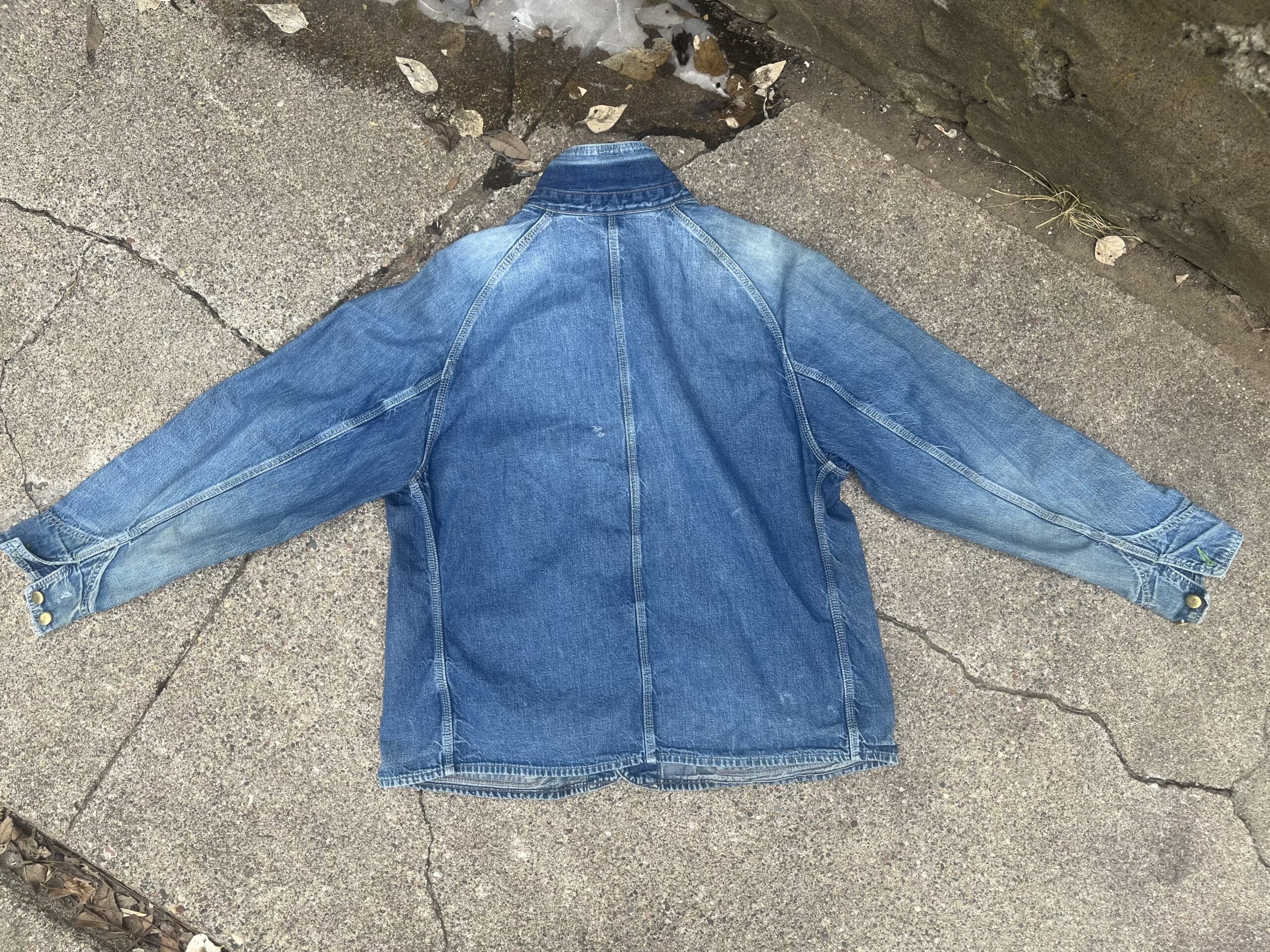
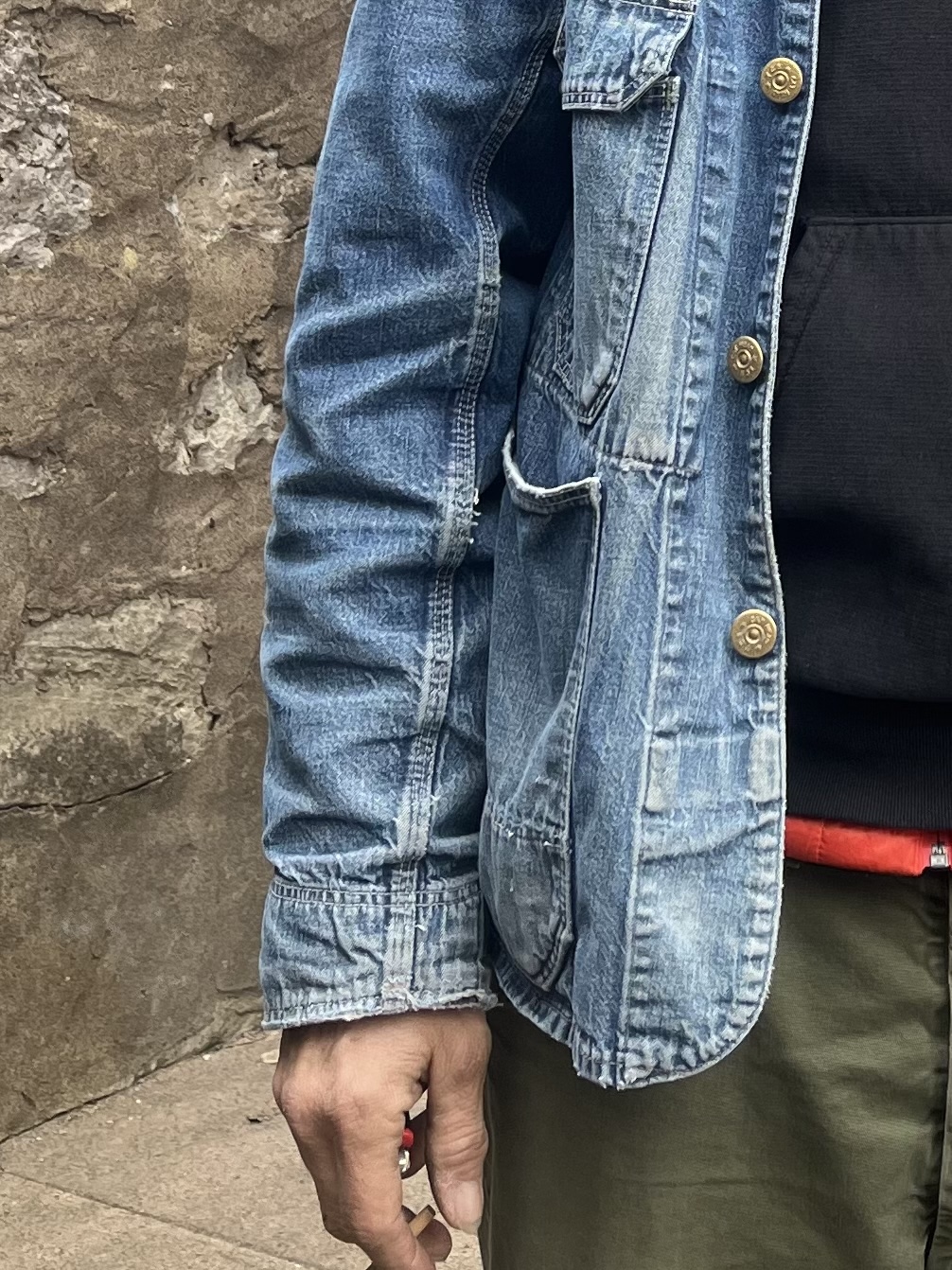
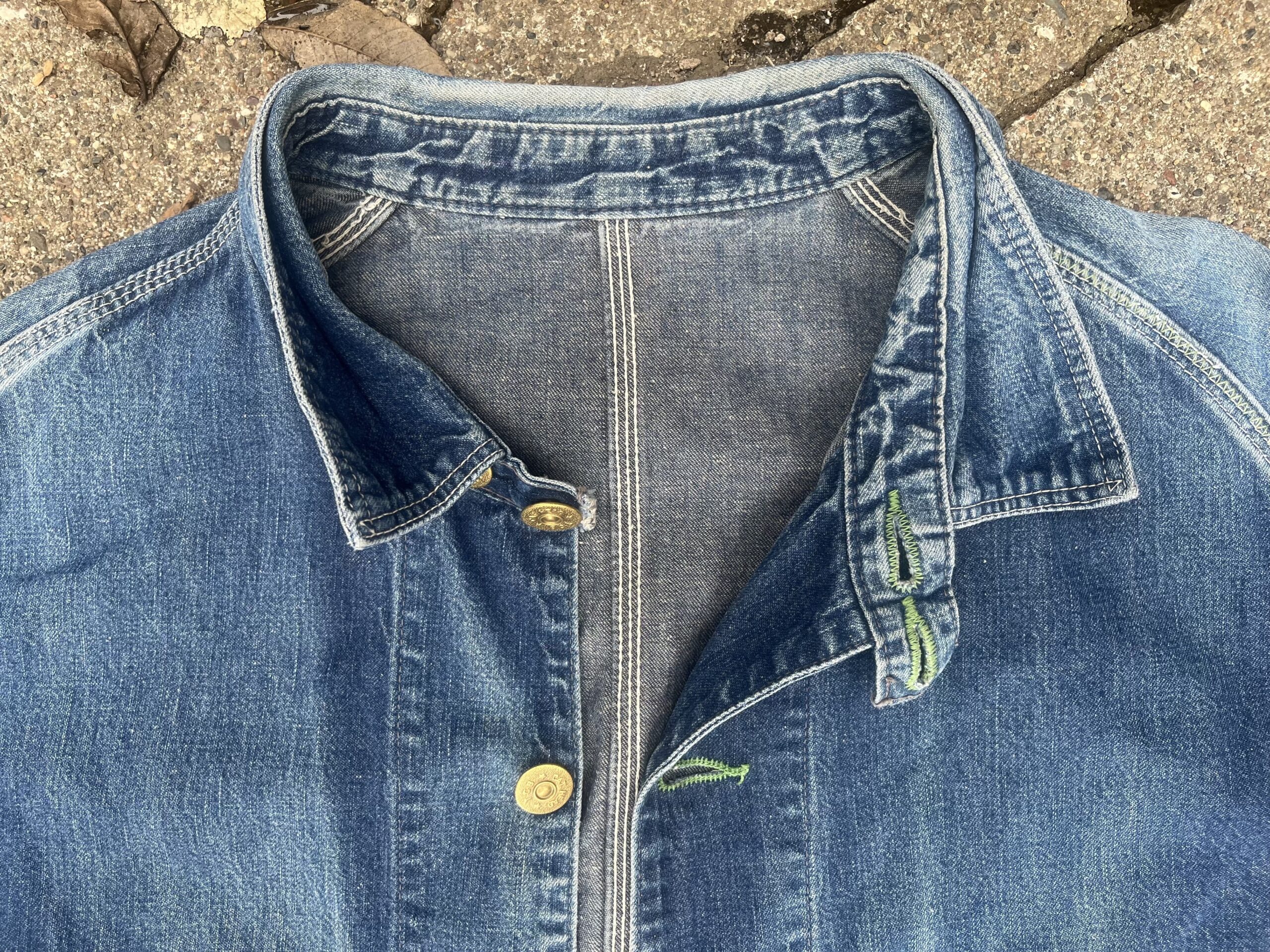
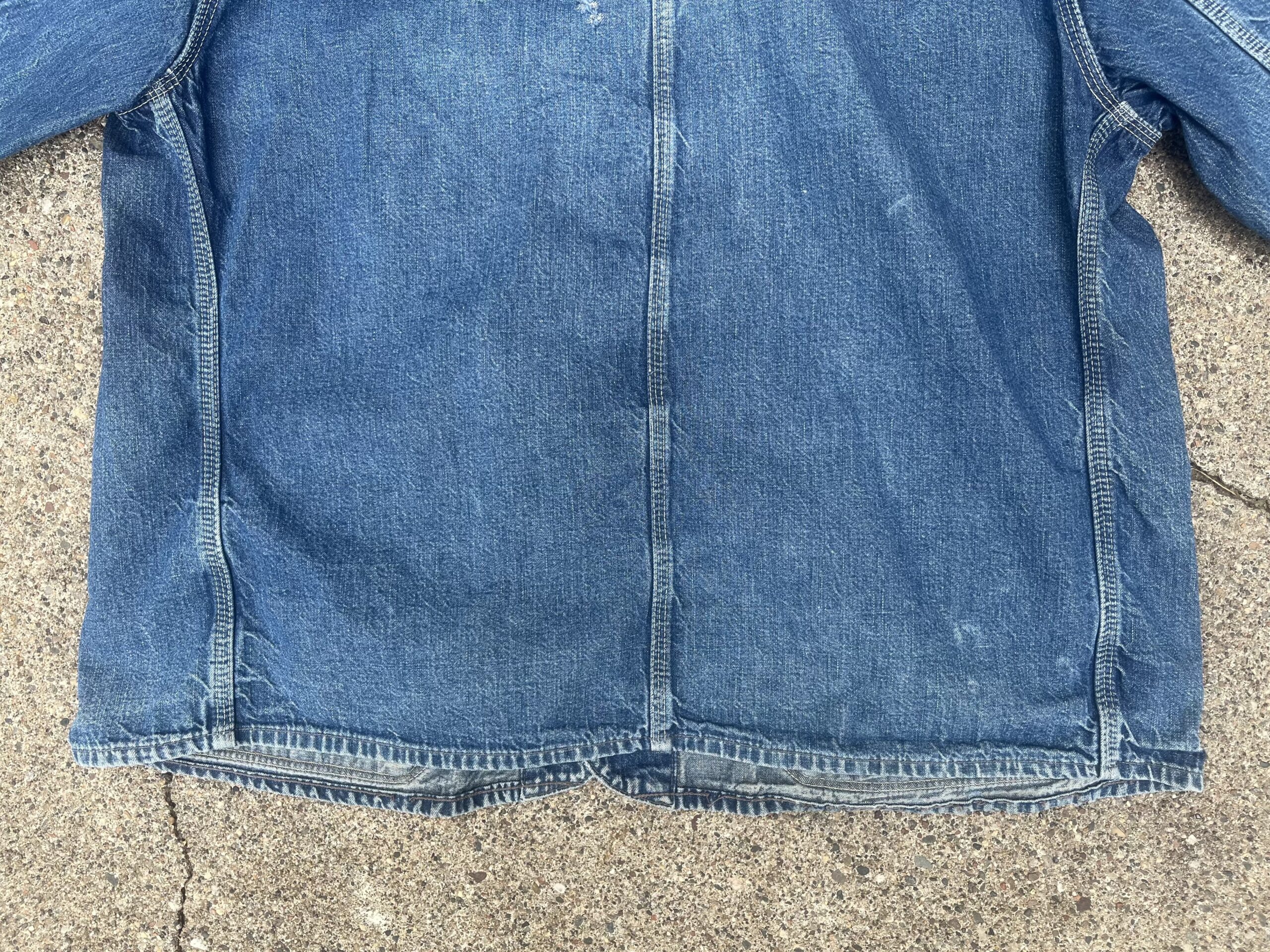
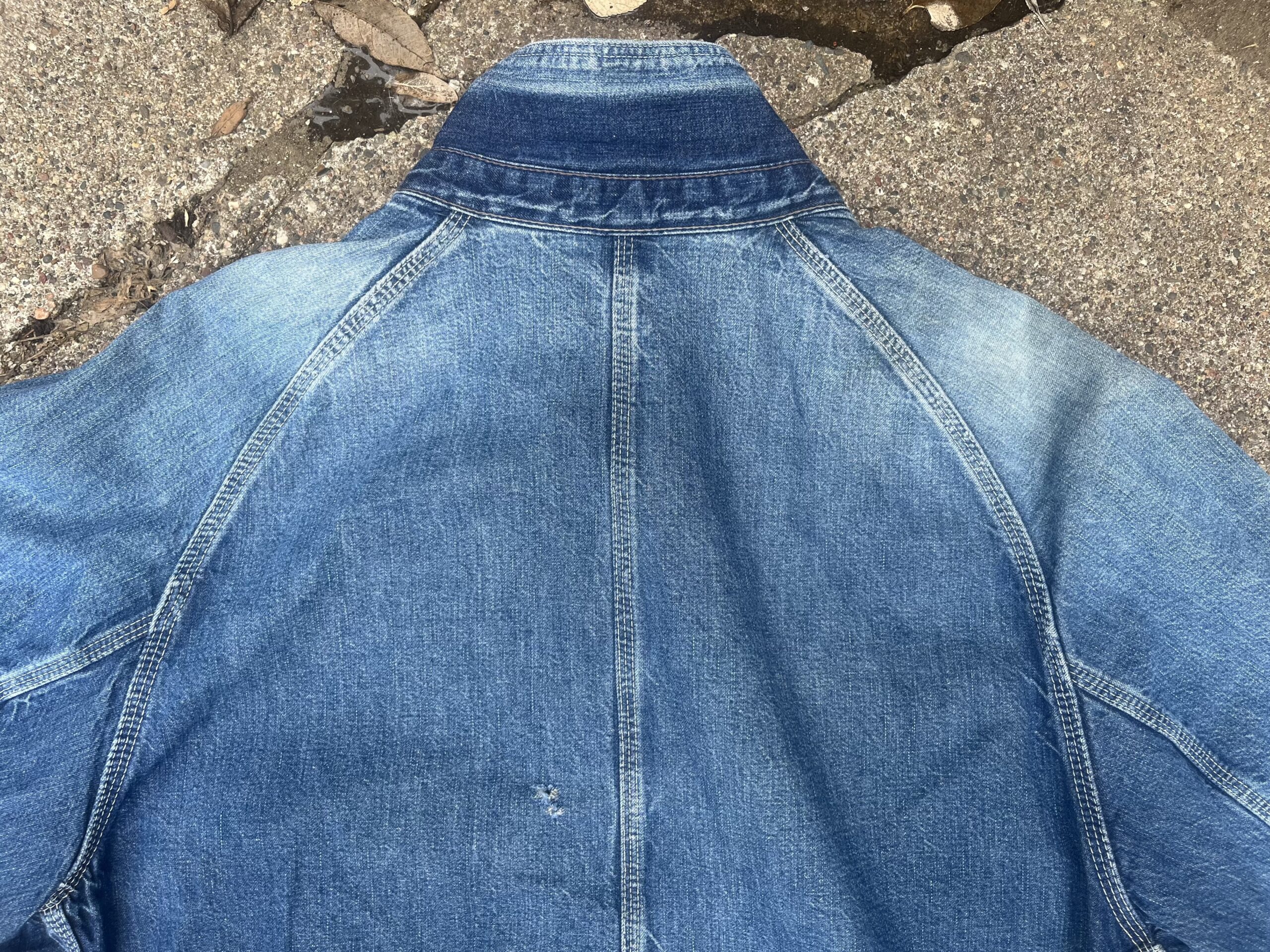
素敵な顔に仕上がった Cathead JK の写真が届いたので紹介します。
古着屋で見かける、
ボロのカバーオールのような風貌。
でもこれは、
まだ現役で働いている服です。
この生地の特徴は、
経糸に2種類の糸を使って織っていること。
2種類の糸を混ぜる理由は、
昔の紡績技術では均一な糸を紡ぐことが難しく、
結果として太さの違う糸が混ざっていたから、
という仮説があります。
ただ現代では、
ムラ糸と言いながらも
単一番手の範囲内で作ることがほとんどです。
でももしかしたら、
本当のムラ糸というのは
1番手の範囲を超えているのではないか?
そんな仮説のもと、
今回は 異なる番手の糸を混ぜるという作り方に
チャレンジしています。
昨今、この糸の混ぜ方は
XX DENIMなどを再現する際には
少しずつ主流になりつつある方法です。
ただ、
6〜7番クラスの糸で作る
13〜14ozのデニムなら
その違いは比較的分かりやすく出ます。
でも今回は、
カバーオールのような
2×1 DENIMの9.5oz。
この軽さの生地で
どこまで表情が出るのか。
当初は正直、少し疑問でした。
でもこうして
実際に着込まれた一着を見ると、
糸ごとに表情も違えば、
色落ちのスピードも違う。
その結果、
よりVintageに近い雰囲気が
生まれているように感じます。
皆さんも着用しながら、
「この糸は8番?」
「この糸は9番?」
なんて想像しながら
見つめてもらえたら嬉しいです。
新品の完成度より、
誰かの仕事で育った服の方が、やっぱり好きです。
A carpenter in Minnesota who wears TCB while working.
We recently received photos of his Cathead JK, beautifully aged, and I’d like to share them with you.
It has the appearance of a worn-out coverall you might find in a vintage shop.
But this one is still actively being worn for work.
One of the unique characteristics of this fabric is that
two different yarns are used in the warp.
The reason for mixing two yarns comes from a theory about older spinning technology.
In the past, it was difficult to spin perfectly uniform yarn, so yarns of slightly different thickness would naturally be mixed together.
However today, even when we talk about “slub yarn,”
most fabrics are still produced within a single yarn count range.
But what if the real irregularity of vintage yarn
actually goes beyond just one yarn count?
Based on that idea,
we decided to experiment with mixing yarns of different counts in this fabric.
Recently, this method of mixing yarns has gradually become more common when recreating fabrics like XX denim.
With heavier denim made from No.6–7 yarns (around 13–14oz),
the difference tends to show up quite clearly.
But this time we used a much lighter fabric:
a 9.5oz 2×1 denim, like you would see in coveralls.
Honestly, at first we wondered
how much character we could really achieve with a fabric this light.
But when you look at a well-worn piece like this,
you can see that each yarn fades a little differently,
and even the speed of fading varies.
Because of that,
the overall look begins to feel even closer to true vintage.
As you wear yours,
I hope you might find yourself looking closely and thinking:
“Is this yarn No.8?”
“Or maybe No.9?”
If you enjoy those little moments while wearing it,
that would make us very happy.
Because in the end,
more than the perfection of a brand-new garment,
I’ve always loved clothes that have been shaped by someone’s work.







 Categolies
 Tag
Tag Archive