

- About TCB
- Sewing Machines for TCB
- TCB Crews Introduction
- News / Daily
- Shop / Stockists
- Repair & Hem
- Recruit
- Contact


2025/11/28
ラグランスリーブの歴史を少し調べてみると、
「戦争で右腕を失ったロード・ラグラン将軍が、負傷者でも衣服を脱ぎ着しやすいように考案したのが始まり」という説が出てきます。
ずっと“着やすくの仕様”だと思い込んでいたので、まさか“脱ぎやすくするため”だったとは……正直驚きでした。
でも、ミリタリー発祥と聞くと妙に納得してしまいます。
実際に縫製してみると、あの独特のカーブを巻き縫いで繋いでいくのは、かなりの技術を要します。
販売効率よりも「戦うために支給する」という前提で作られたからこその、複雑で手間のかかる構造なんだと思います。
結果として、ラグランスリーブは運動性が素晴らしく、アスレチックウェアはもちろん、ワークウェアにまで広く普及したのでしょう。
そして何より、ビジュアルとしても本当に美しい。
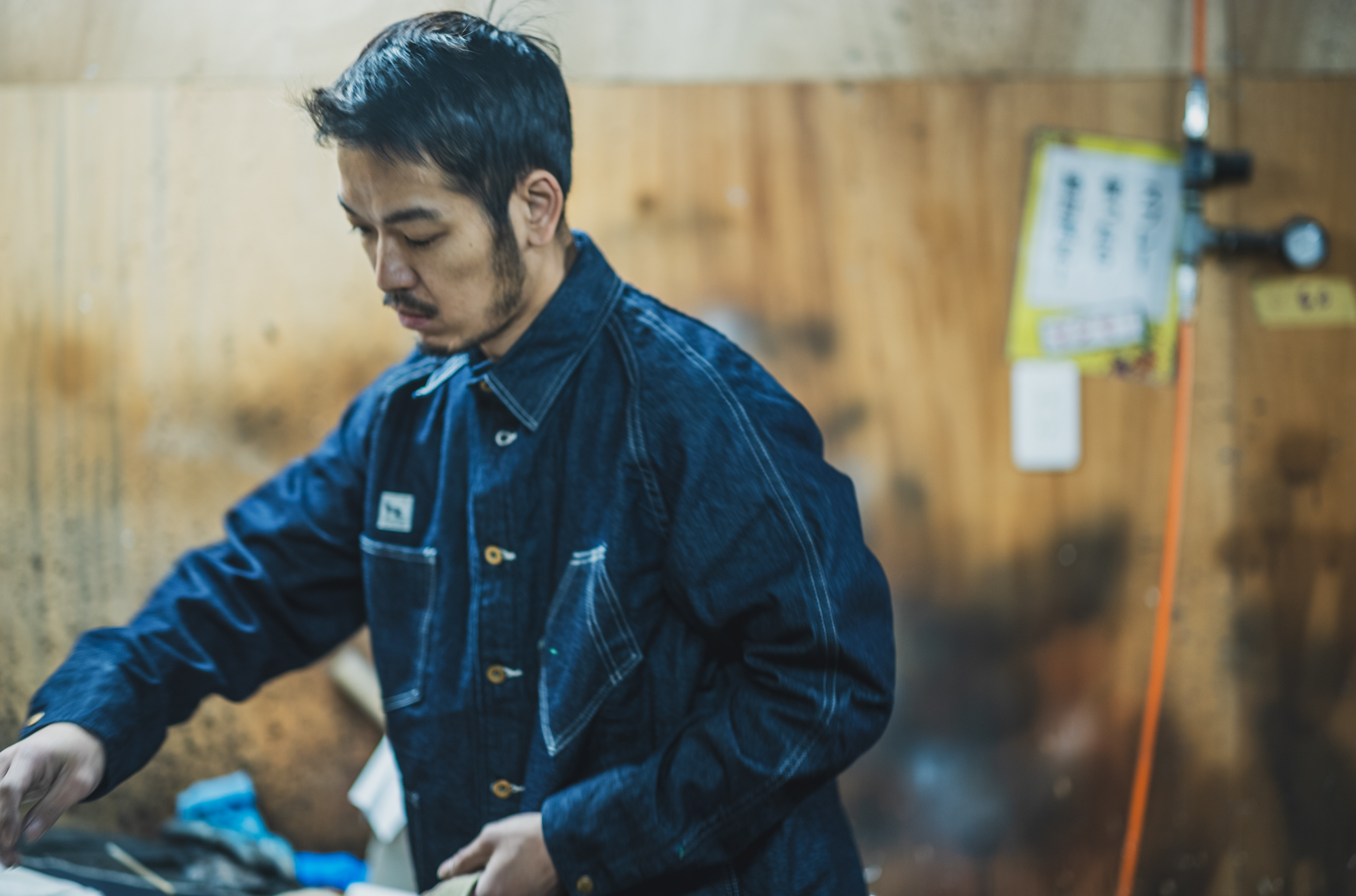
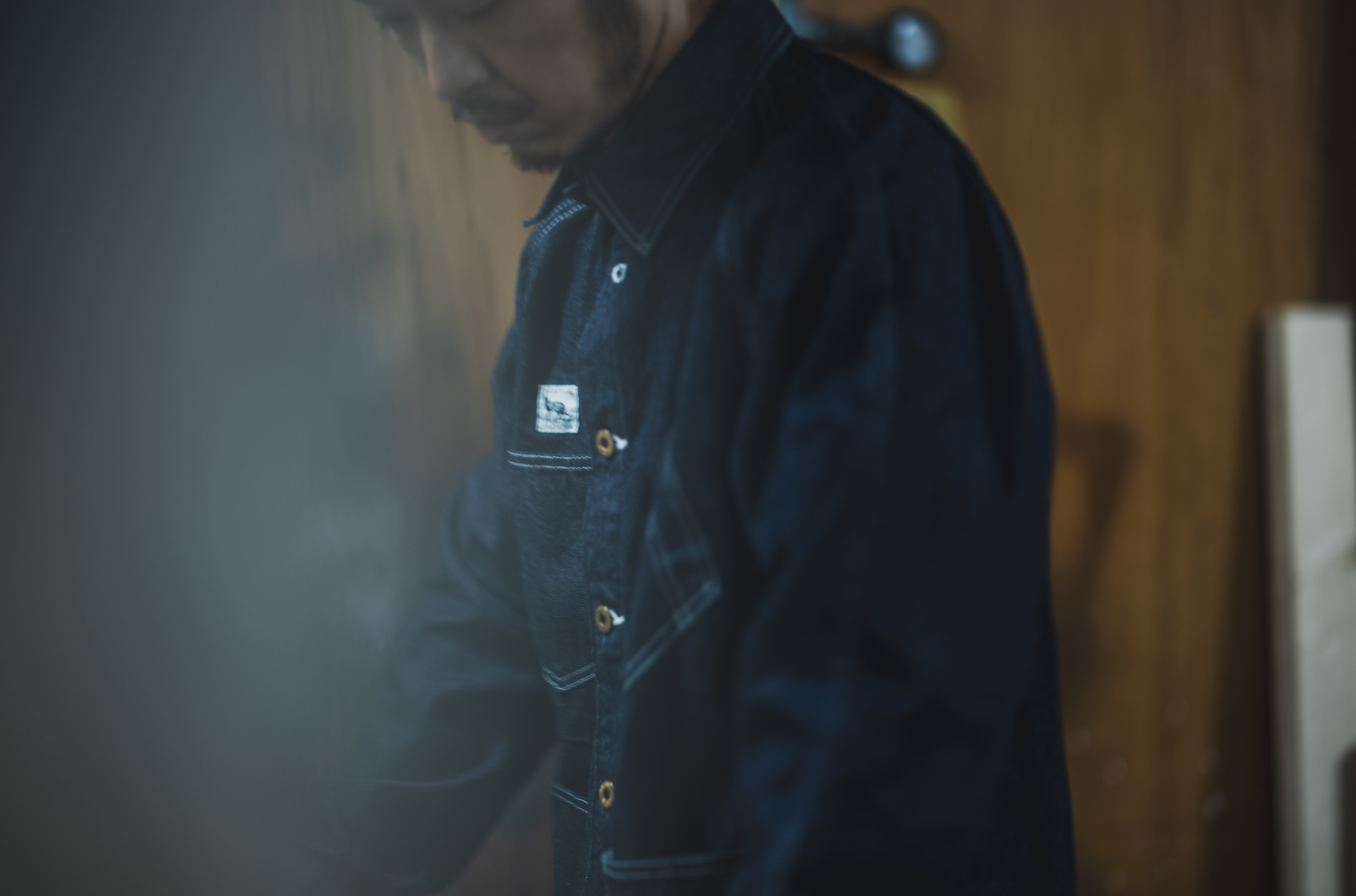
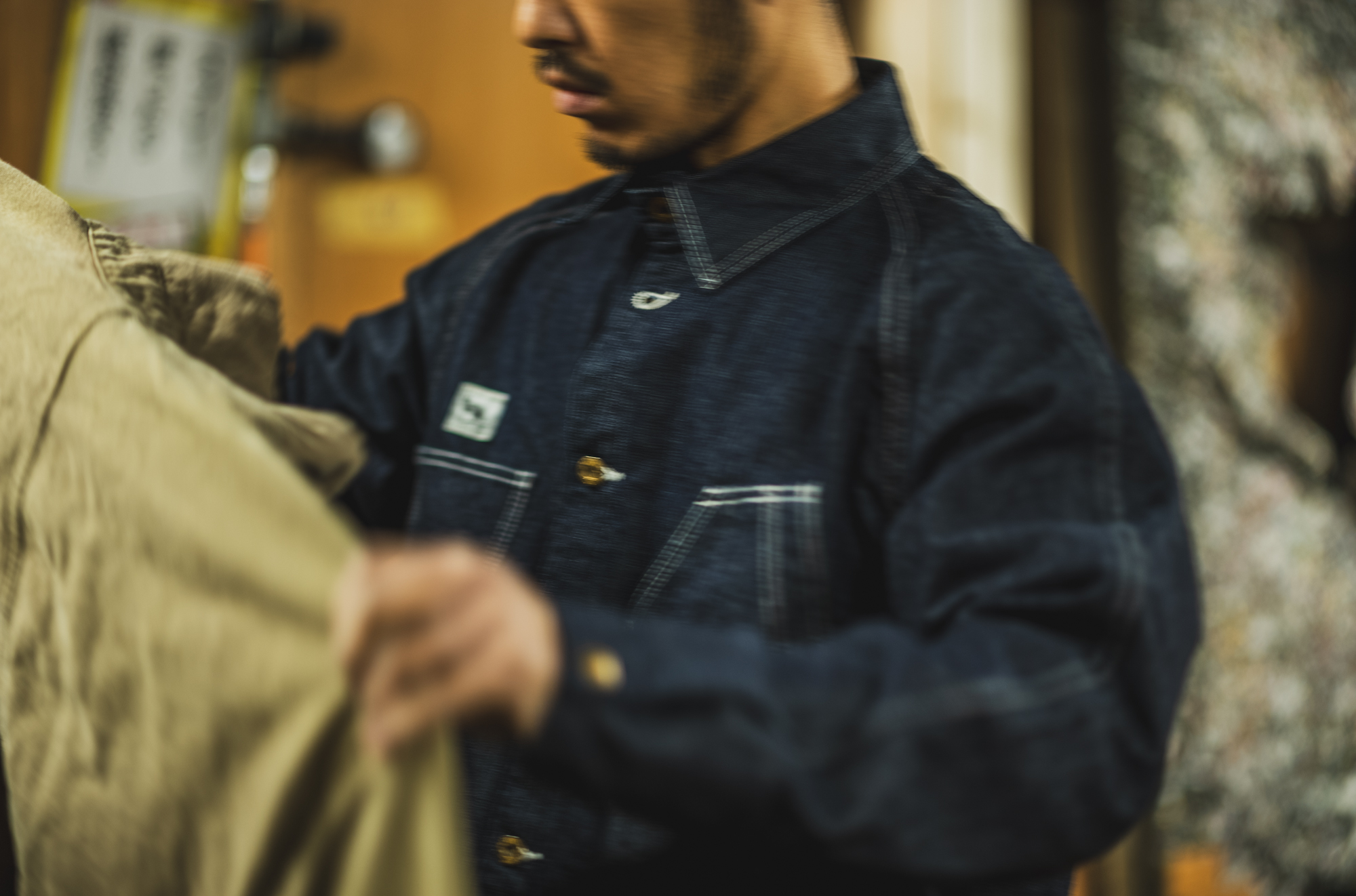
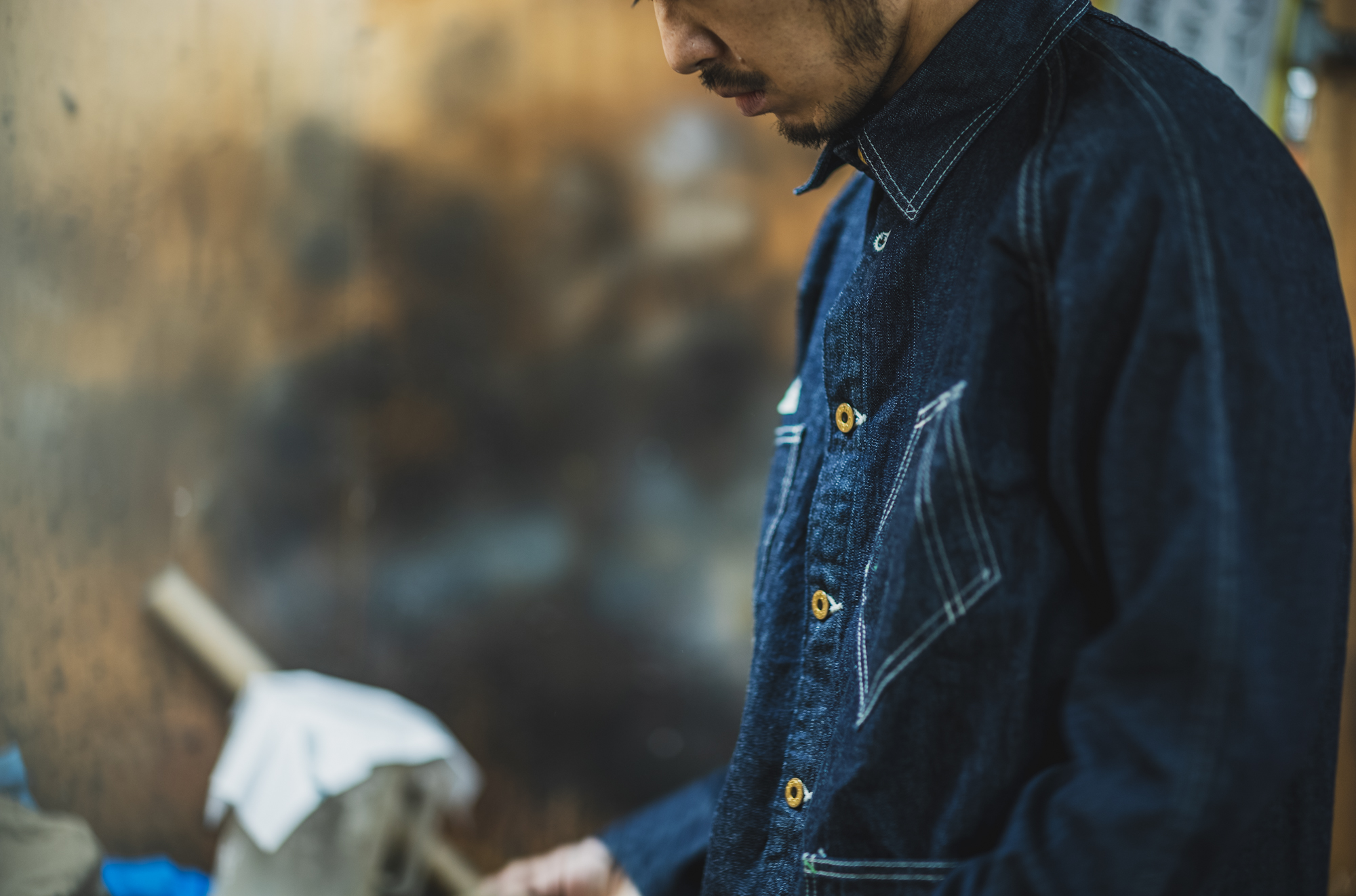
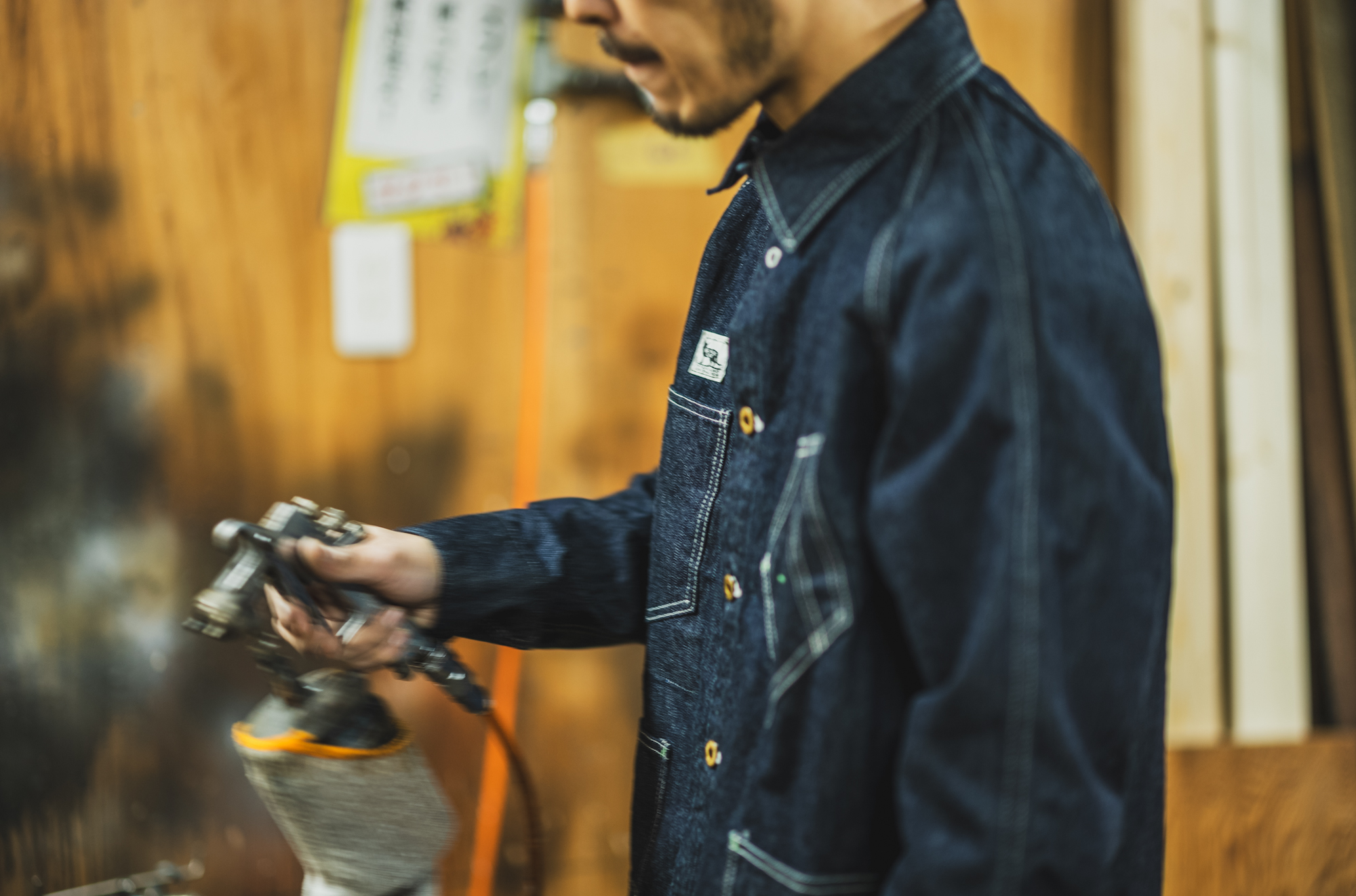
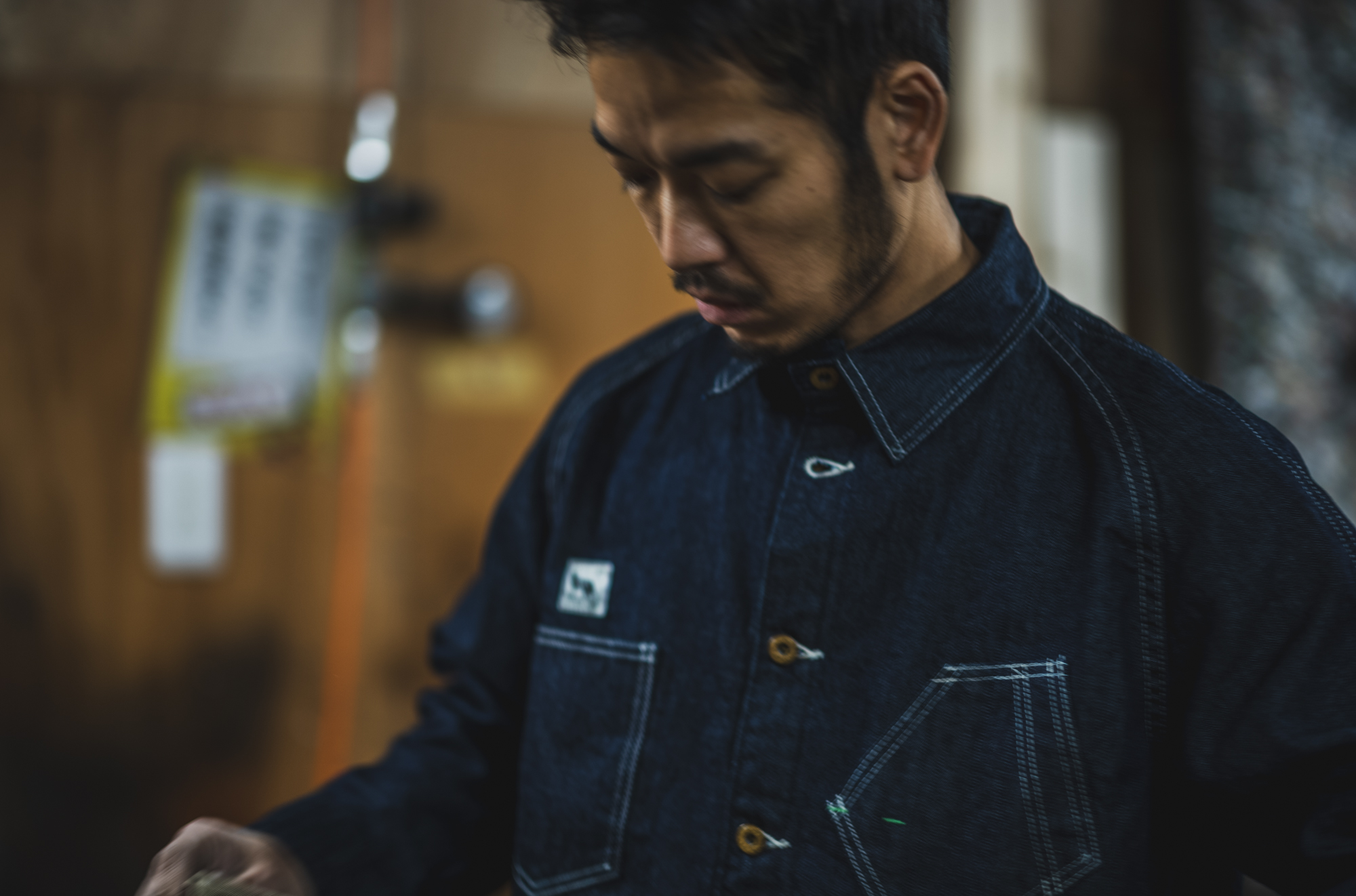
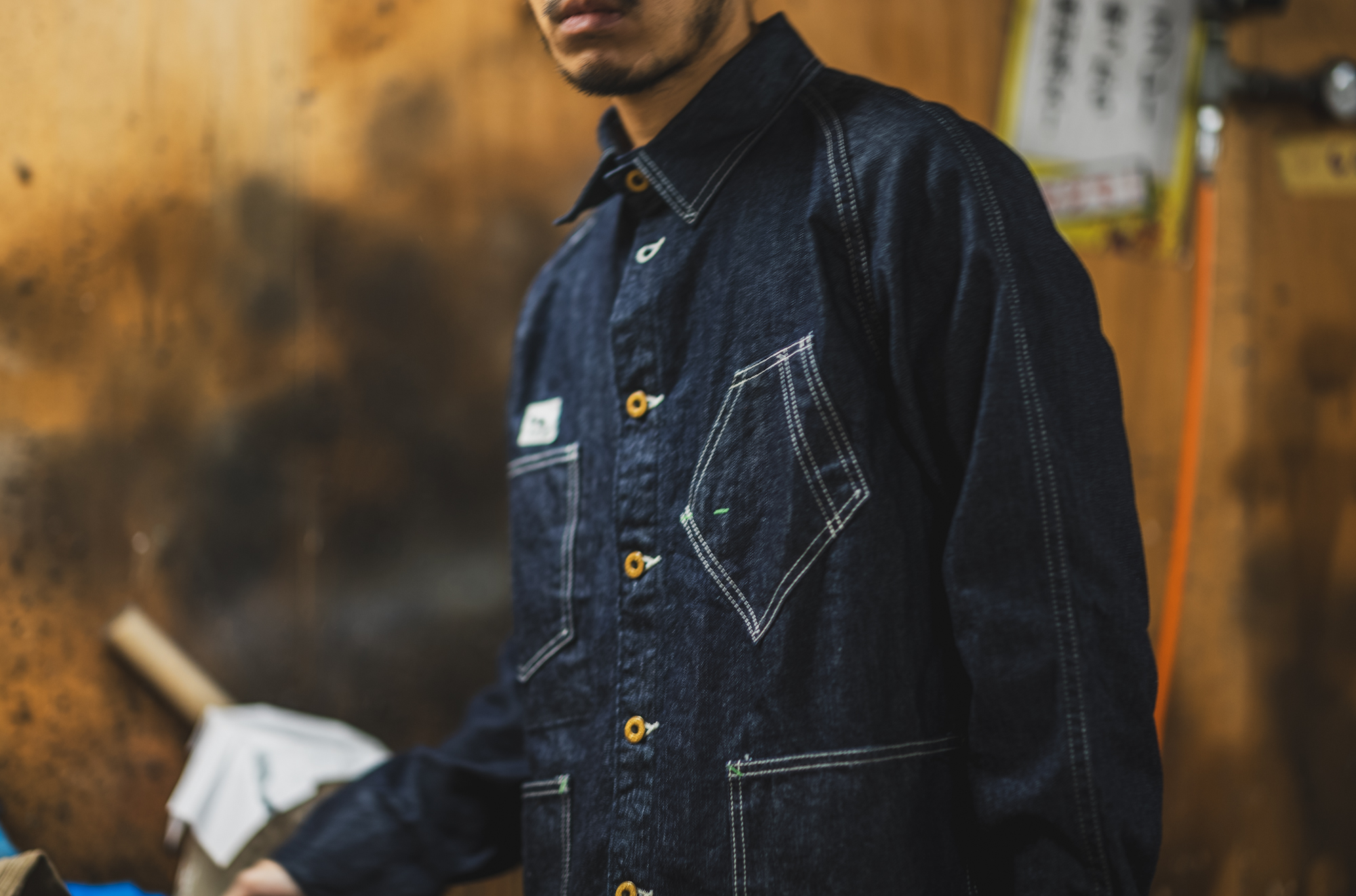
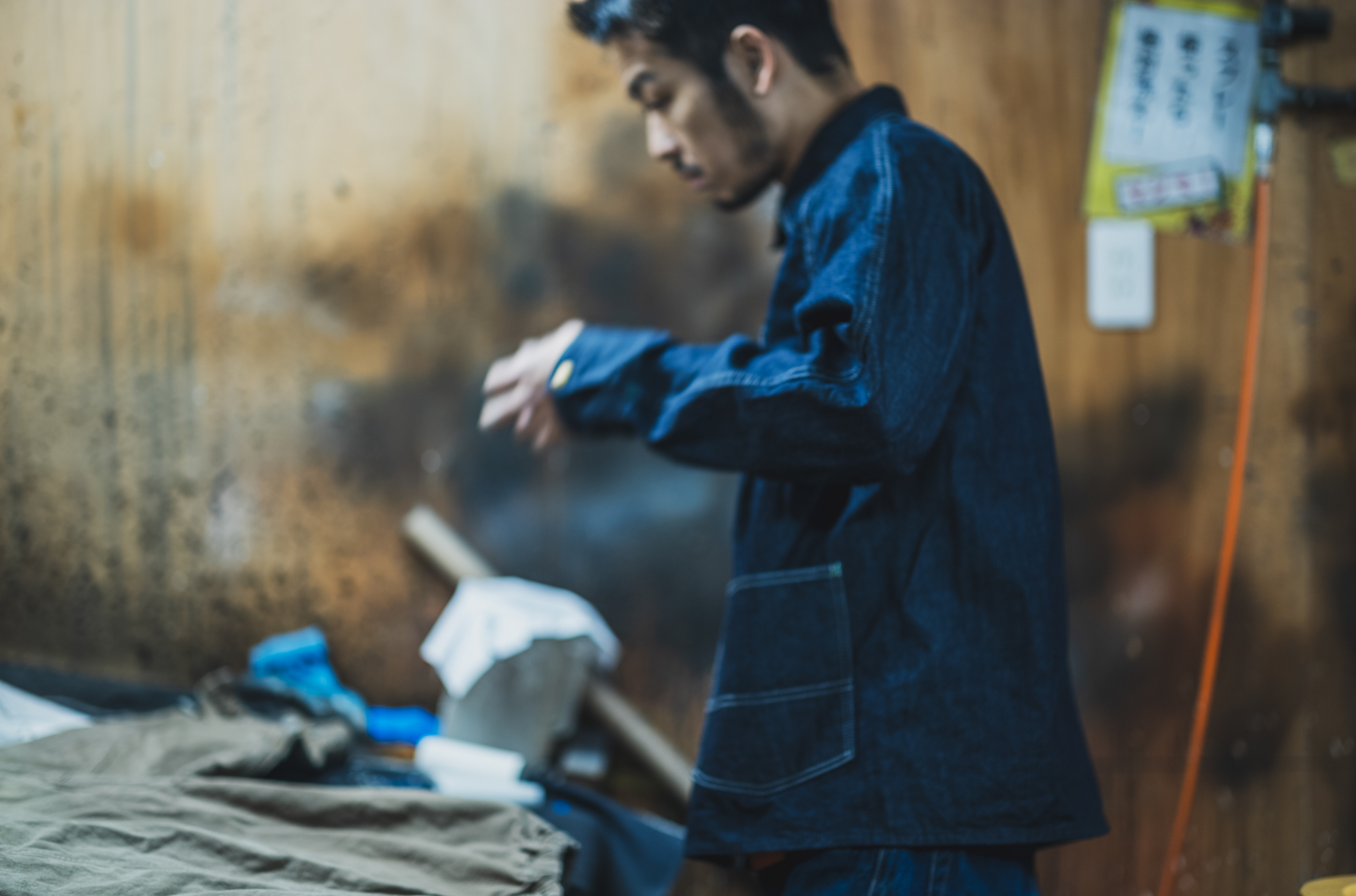
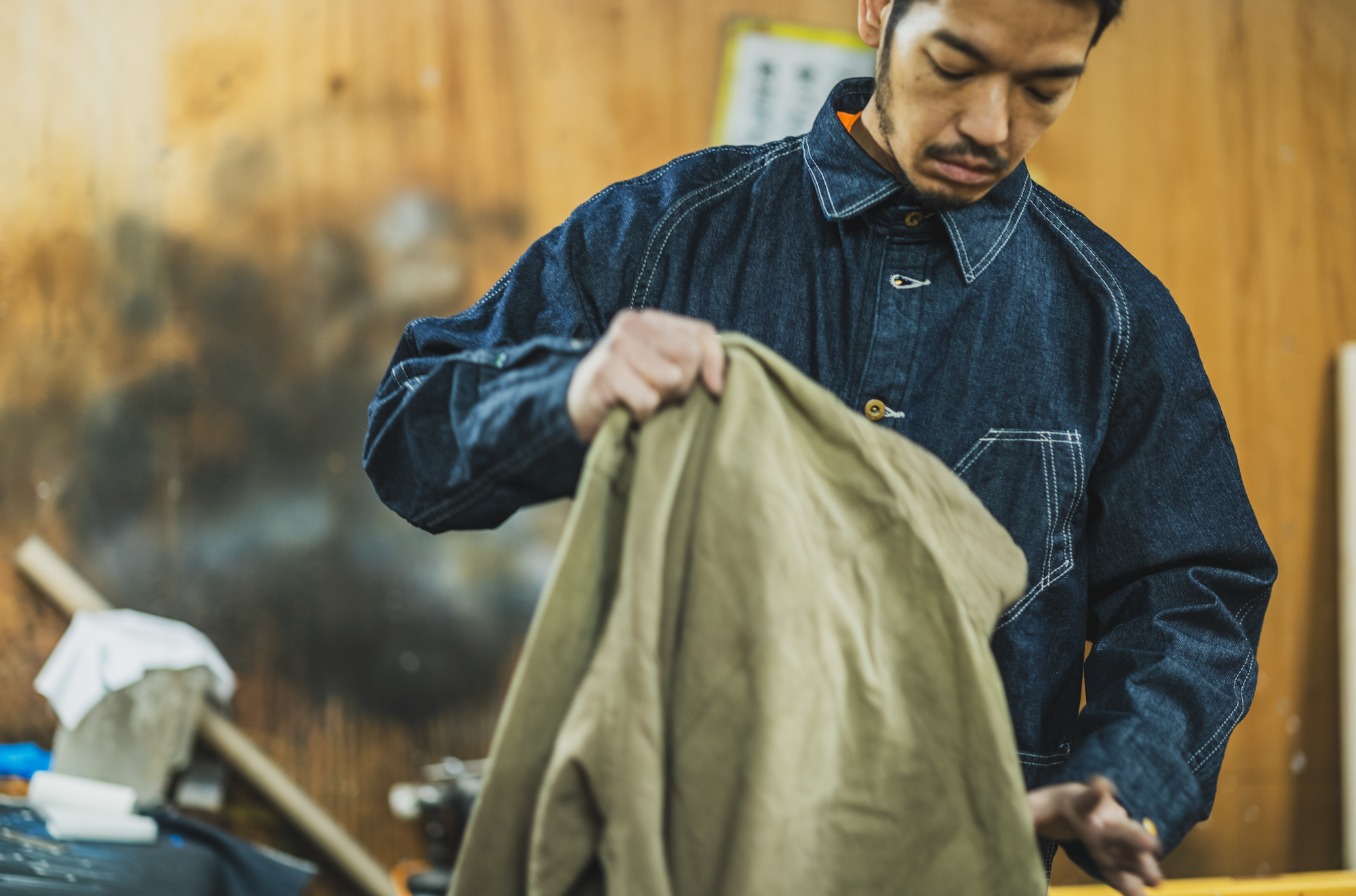
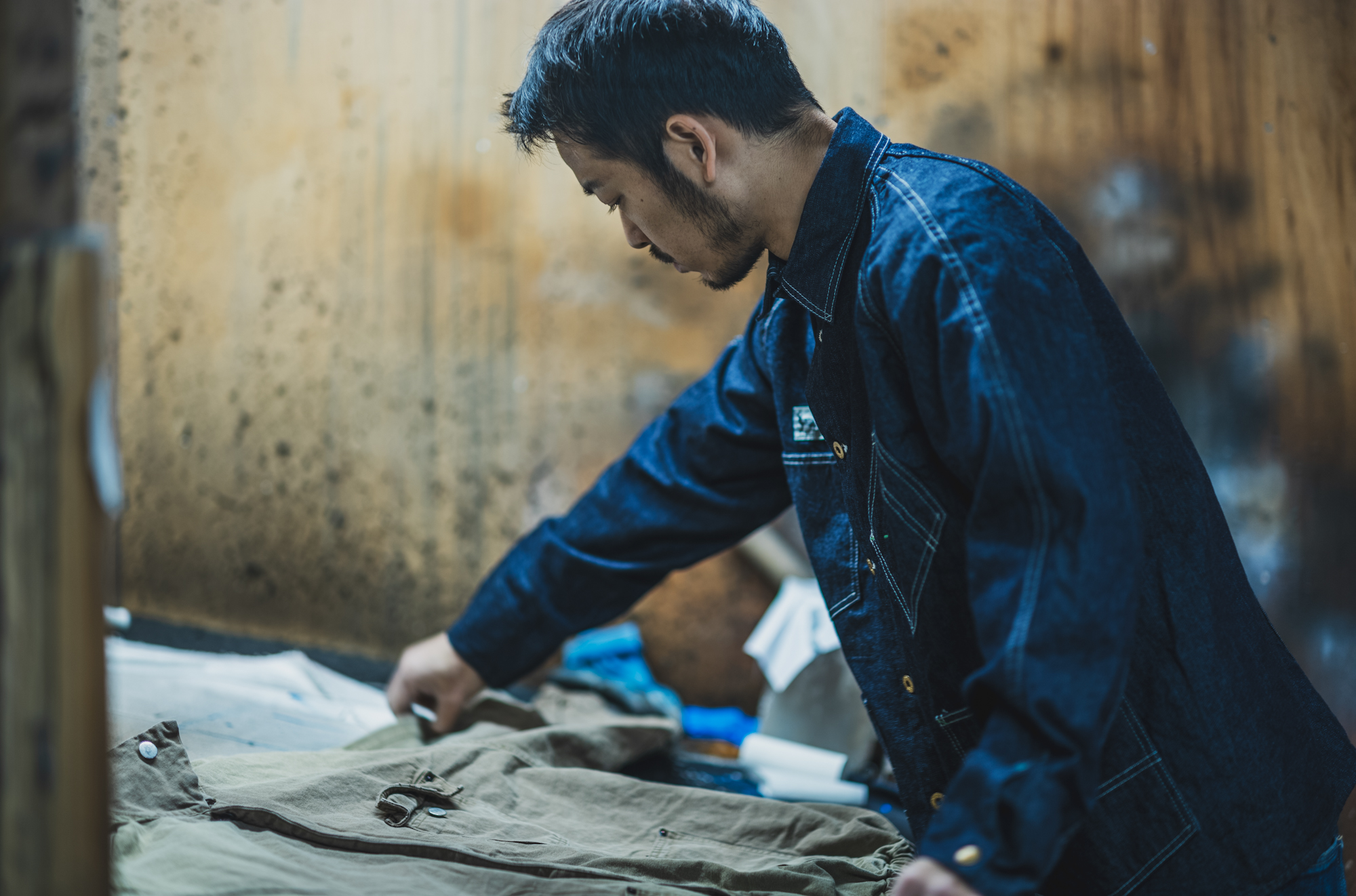
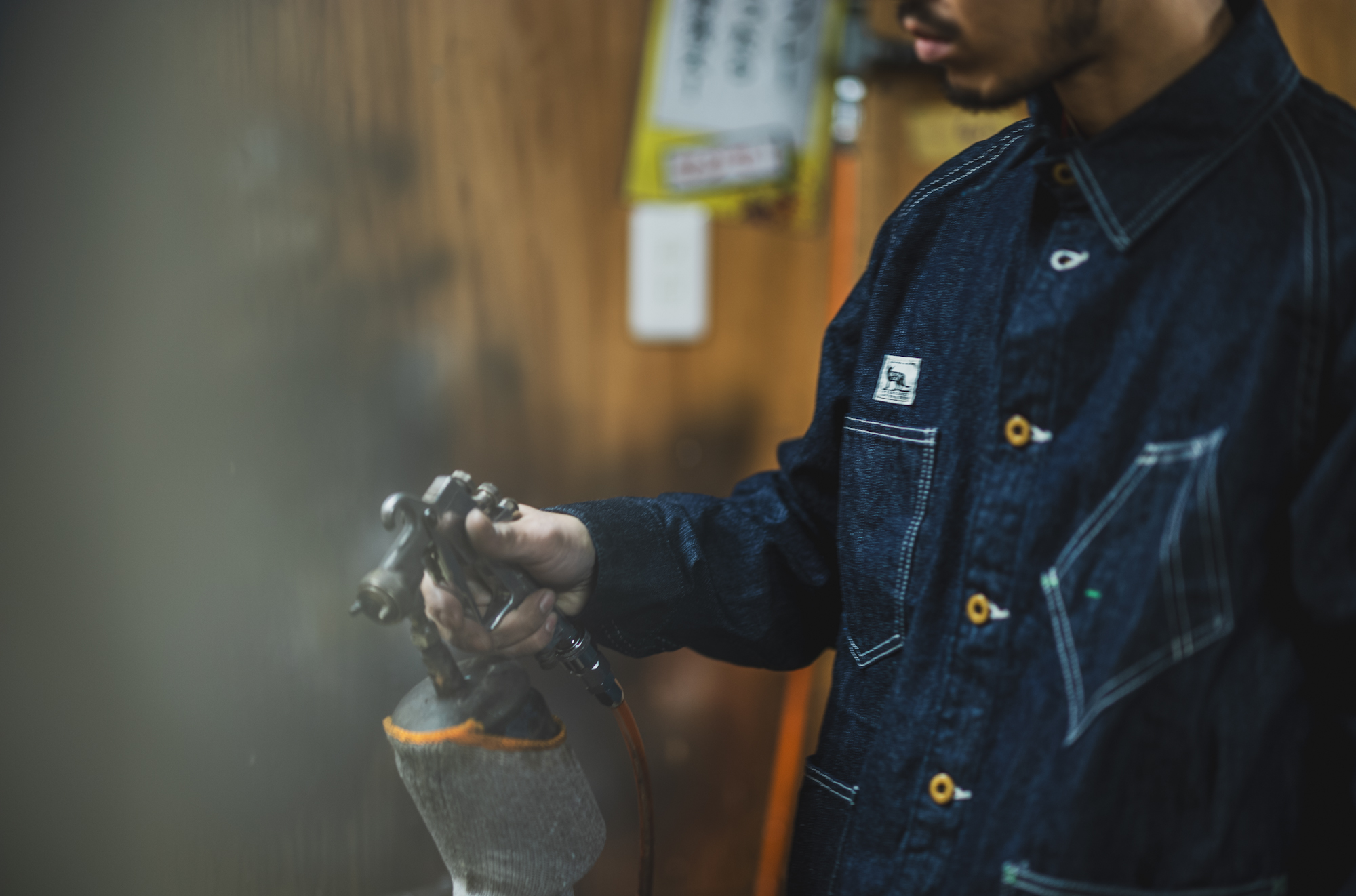
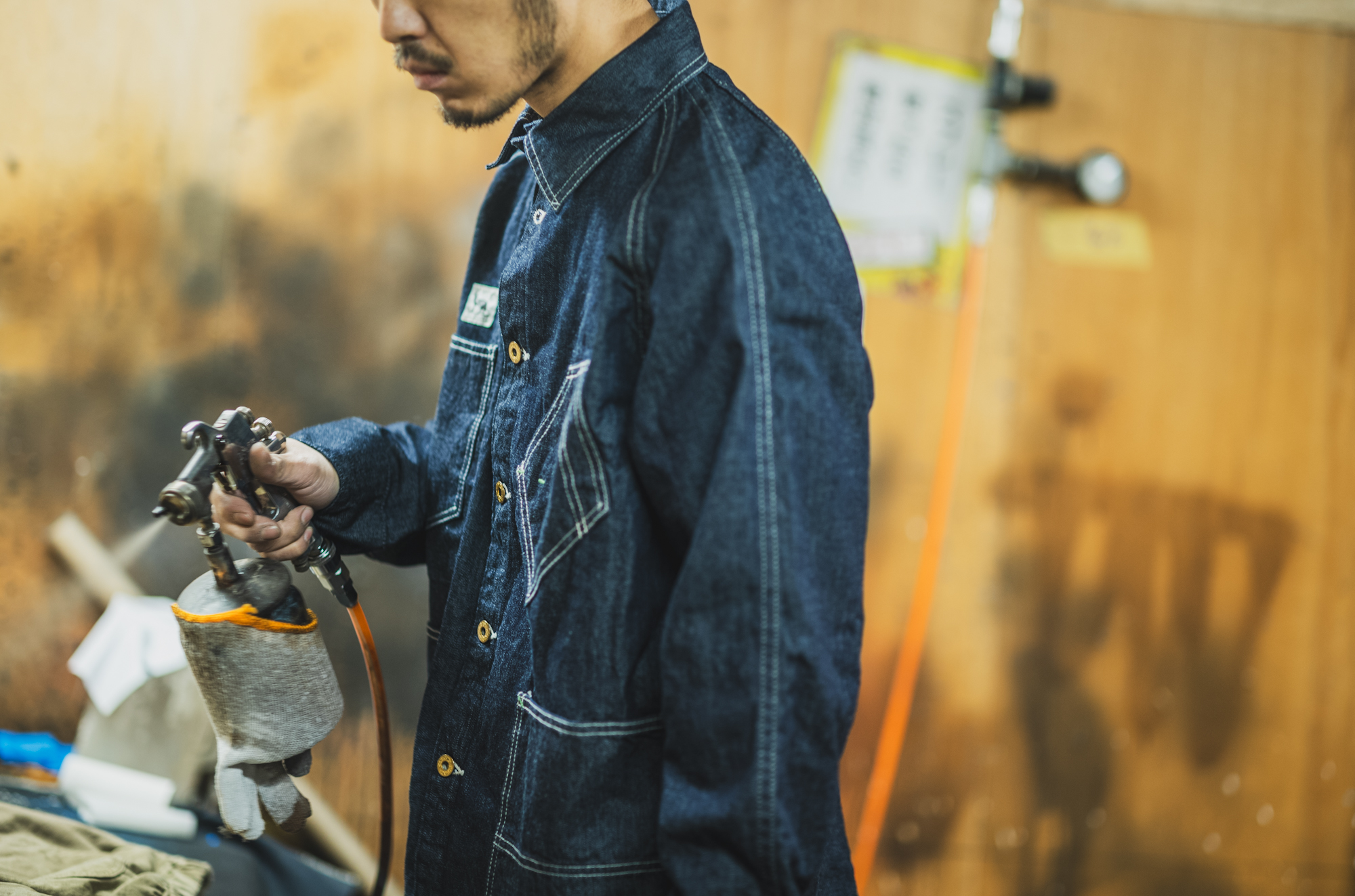
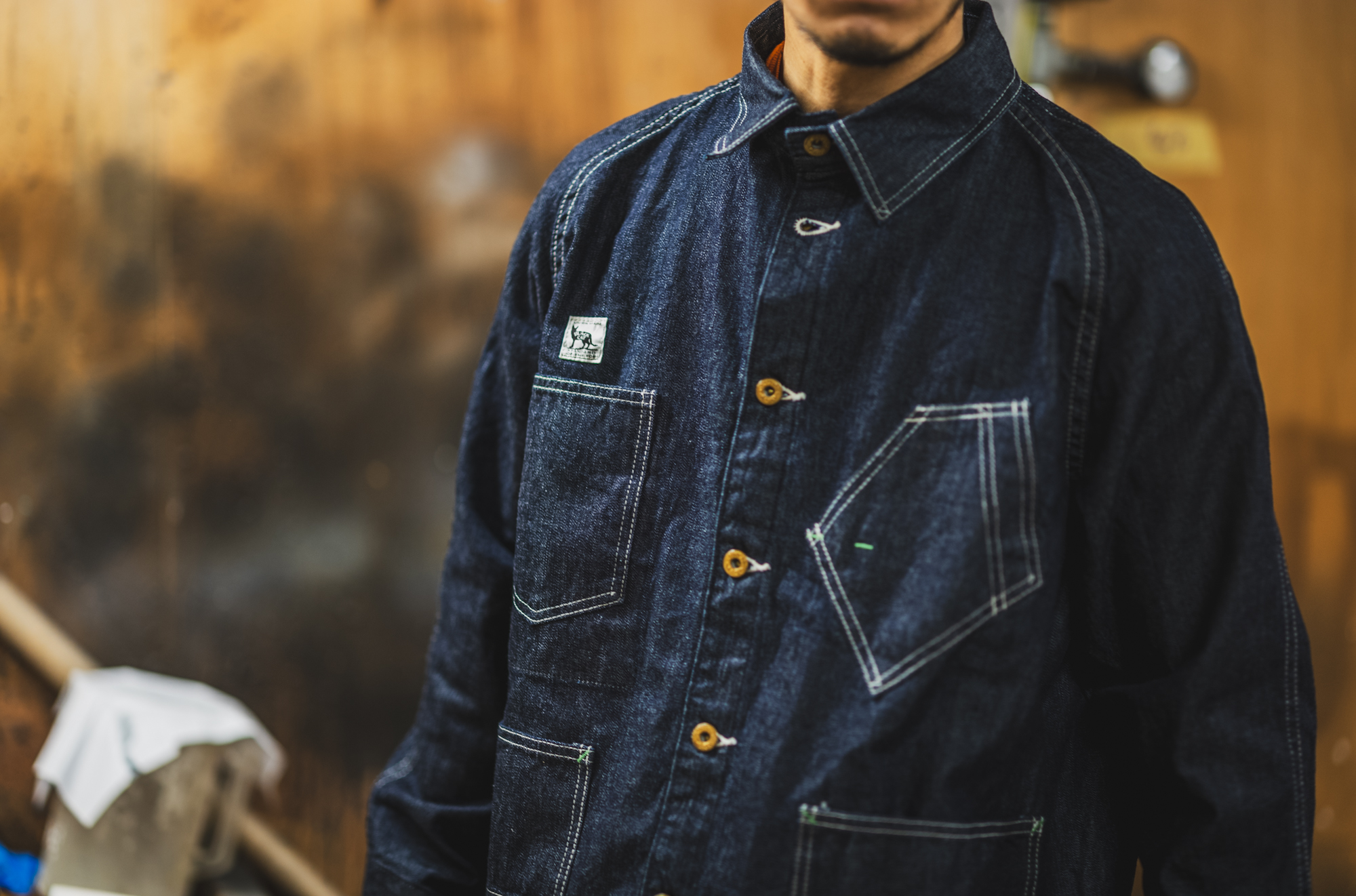
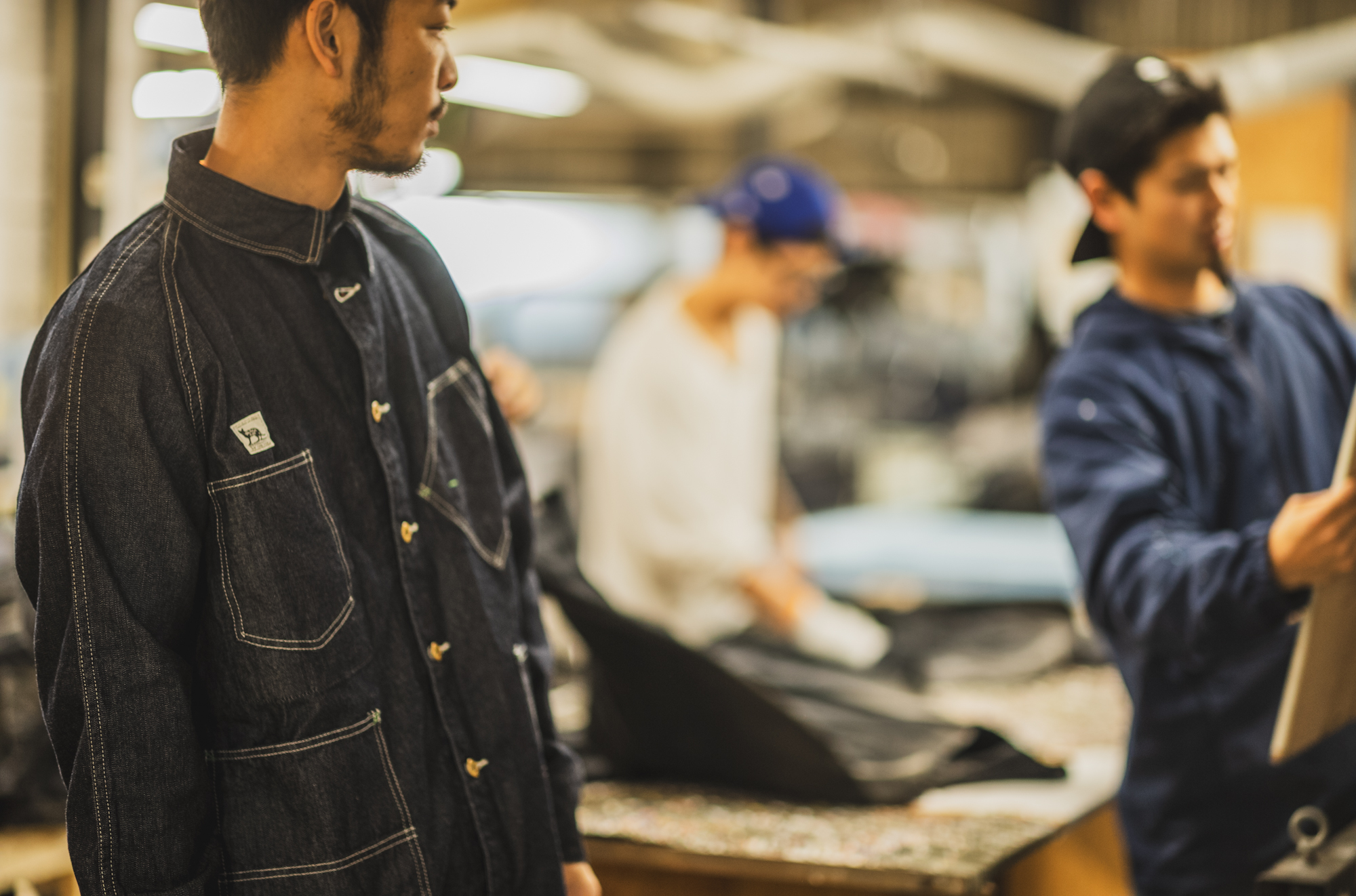
新品の状態でも、肩周りのフィット感が驚くほど良く、ラグランならではの流れるようなラインが写真にしっかり現れます。
When I looked into the history of the raglan sleeve,
I came across a theory that it began when Lord Raglan—who had lost his right arm in the war—designed a coat that would be easy for injured soldiers to put on and take off.
I had always assumed it was a specification created for ease of movement,
so learning that it was actually made to be taken off more easily was honestly surprising.
But hearing that it has a military origin somehow makes perfect sense.
When you actually sew one, you realize how much technique it takes to join that distinctive curved seam with a felled stitch.
It’s a complex, labor-intensive construction—something made not for sales efficiency,
but for garments intended to be issued to soldiers heading into battle.
As a result, raglan sleeves offer incredible mobility,
which is why they spread beyond the military into athletic wear and eventually workwear as well.
And above all, they’re visually beautiful.
Even in a brand-new garment, the fit around the shoulder is remarkably clean,
and that flowing, unmistakable raglan line appears beautifully in photos.






 Categolies
 Tag
Tag Archive